
Giving customers their time (and autonomy) back is the future of retail
.avif)

📝 TL;DR
- Self-checkout was meant to save time, but often just shifts the burden from staff to customers — adding friction instead of removing it.
- In time-sensitive locations like airports, even small checkout hurdles can cost retailers a sale entirely.
- Shrinkage from theft and mis-scans has grown as a side effect of understaffed self-checkout lanes, costing some European retailers up to €1,400 per lane per month.
- Customers burdened by a lengthy checkout are less receptive to upselling, compounding the revenue impact.
- Deligo's visual AI removes manual scanning, cutting checkout times by 3–4x and reducing mis-scan shrinkage by up to 90% — making customers more relaxed and open to impulse purchases.
When “faster” checkout creates more work
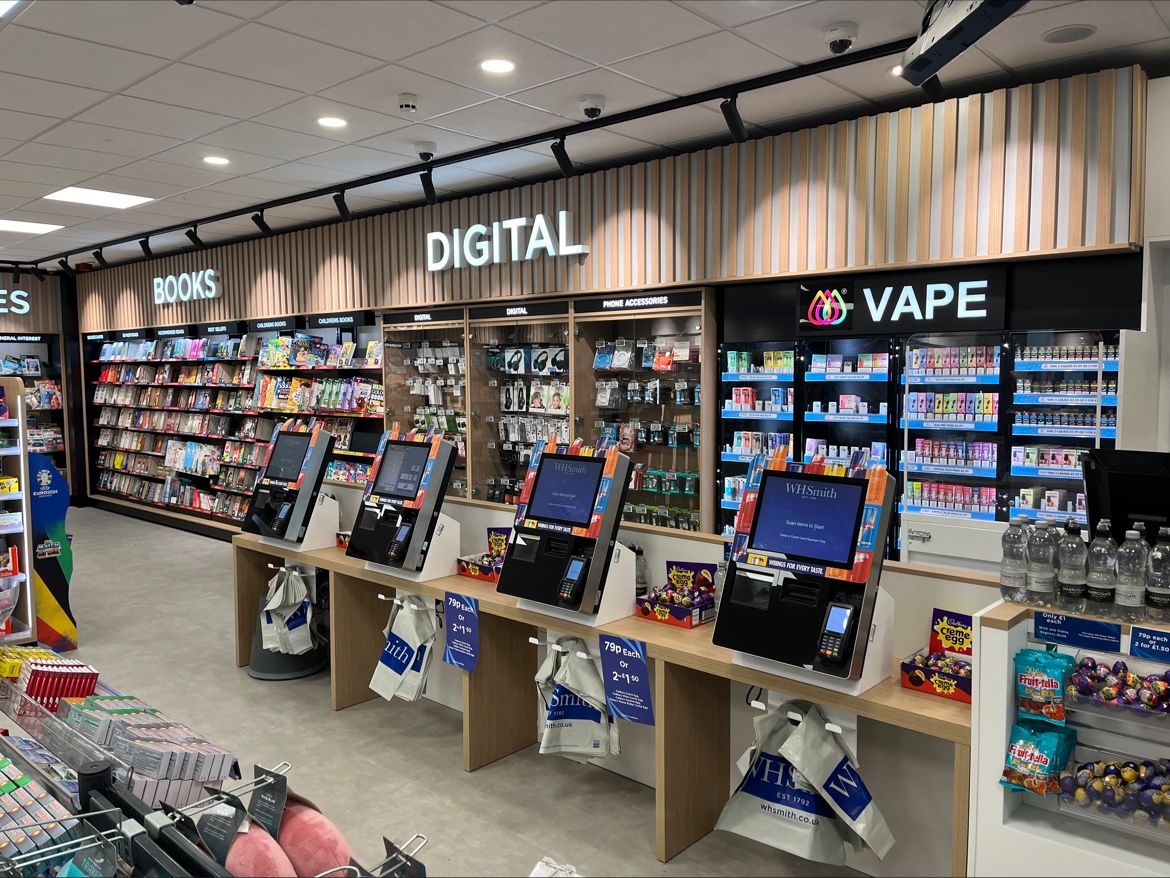
Self-checkout was meant to give time back to customers and retailers, but in practice, it can add friction, responsibility and anxiety to both. Instead of saving time, shoppers often have to hunt through sub-menus for non-barcode items, worry about mis-scanning and being flagged for mistakes, or wait for an employee to resolve a machine error.
What was meant to be a quicker, more autonomous experience has simply moved the burden from staff member to customer.
The promise of convenience, still unfulfilled
The self-checkout is the culmination of decades of development for the retail sector, enabling more customers to quickly & efficiently purchase their goods and continue with their day.
However, self-checkouts are yet to provide truly frictionless convenience, which focuses on reducing checkout times to under 20 seconds and the burden on customers throughout the process, resulting in greater sales and reduced shrinkage - a symptom of the current capabilities of most self-checkout kiosks.
Why kiosks struggle in time-sensitive environments
Moving from customer-server interactions towards customer-kiosk interactions has simultaneously benefited and harmed the convenience sector, where potential customers may have only a few minutes before a flight, for example.
Potential customers are easily put off by long lines for a small number of kiosks, served by a single, overworked employee. Whilst still faster than traditional convenience, self-checkouts have introduced new hurdles to the convenience store and its customers.
Until solutions to these are presented, frictionless convenience will remain outside retailers’ grasp.
Shifting the burden comes at a cost
By taking till operations away from employees, retailers can use staff more effectively and make stores run more smoothly. However, shifting that responsibility to customers - often seen as an unwelcome task - makes them less likely to respond to upselling, especially in time-sensitive environments, like airports. Shrinkage has also grown, both from accidental mis-scans and deliberate theft, made easier by limited staffing and deterrence capabilities.
Fewer steps, faster checkouts, lower shrinkage
Much of the frustration customers feel at self-checkouts comes from the number of steps they’re asked to take, so any solution needs to cut down the number of interactions - keeping things simple and streamlined.
This not only boosts customer confidence, but shortens transaction times and reduces shrinkage from mis-scans or thefts - with some European retailers losing 1400 euros per self-checkout lane a month (Source: Global Convenience) - fixing this is crucial to ensuring future retailers will choose to operate self-checkouts.
Doing so results in greater sales and a willingness from existing and potential customers to engage further and purchase items promoted at the kiosk via upselling. This is where Deligo can provide a solution.
The next era of frictionless convenience
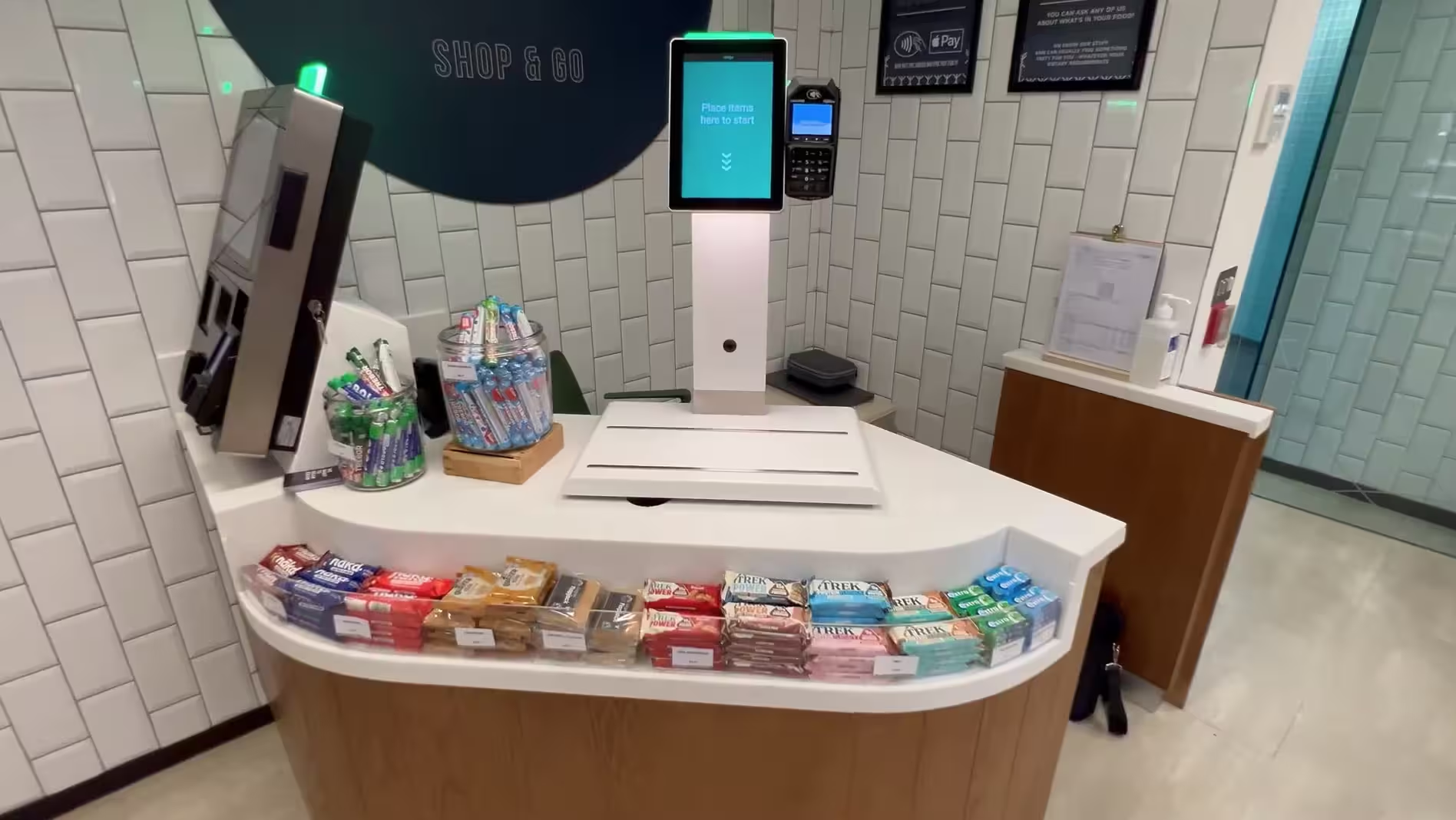
With visual AI-powered identification, Deligo streamlines the checkout process, meaning customers are no longer burdened with manually scanning their items. This time-wasting activity further reduces their willingness to consider further purchases. It also cuts shrinkage by ensuring that every item is recognized and recorded correctly, potentially removing shrinkage via mis-scanned items by up to 90%.
By cutting checkout times (Deligo studies found an average 3-4x increase in checkout speed), additional upselling opportunities are more appealing at checkout, with customers more likely to be amenable to, having engaged in fewer prior interactions.
Frictionless convenience is about to enter a golden age - where neither employee nor customers are slowed down by lengthy and repetitive processes, and customers feel comfortable picking up an extra item, knowing the process won’t make them miss that flight… and that’s a win for both retailers and shoppers.
