
Shrinkage: The hidden cost of traditional self-checkouts, and how to fix it
.avif)
📝 TL;DR
- Traditional self-checkout reduced labour costs but introduced a new problem: shrinkage from theft and scanning errors
- Shrinkage rates at self-checkout are nearly 18x higher than with traditional cashiers, costing retailers hundreds of millions annually
- Current fixes — more staff, more controls, weight checks — add friction and worsen the customer experience without solving the root cause
- Deligo's visual AI eliminates manual scanning entirely, automatically identifying every item at checkout in real time
- Built-in loss prevention includes basket verification, instant alerts if items are removed, and automatic flags when scanned totals don't match expected values
- The result: up to 90% less shrinkage, faster checkouts, and no trade-off between security and customer experience
The trade-off retailers didn’t expect
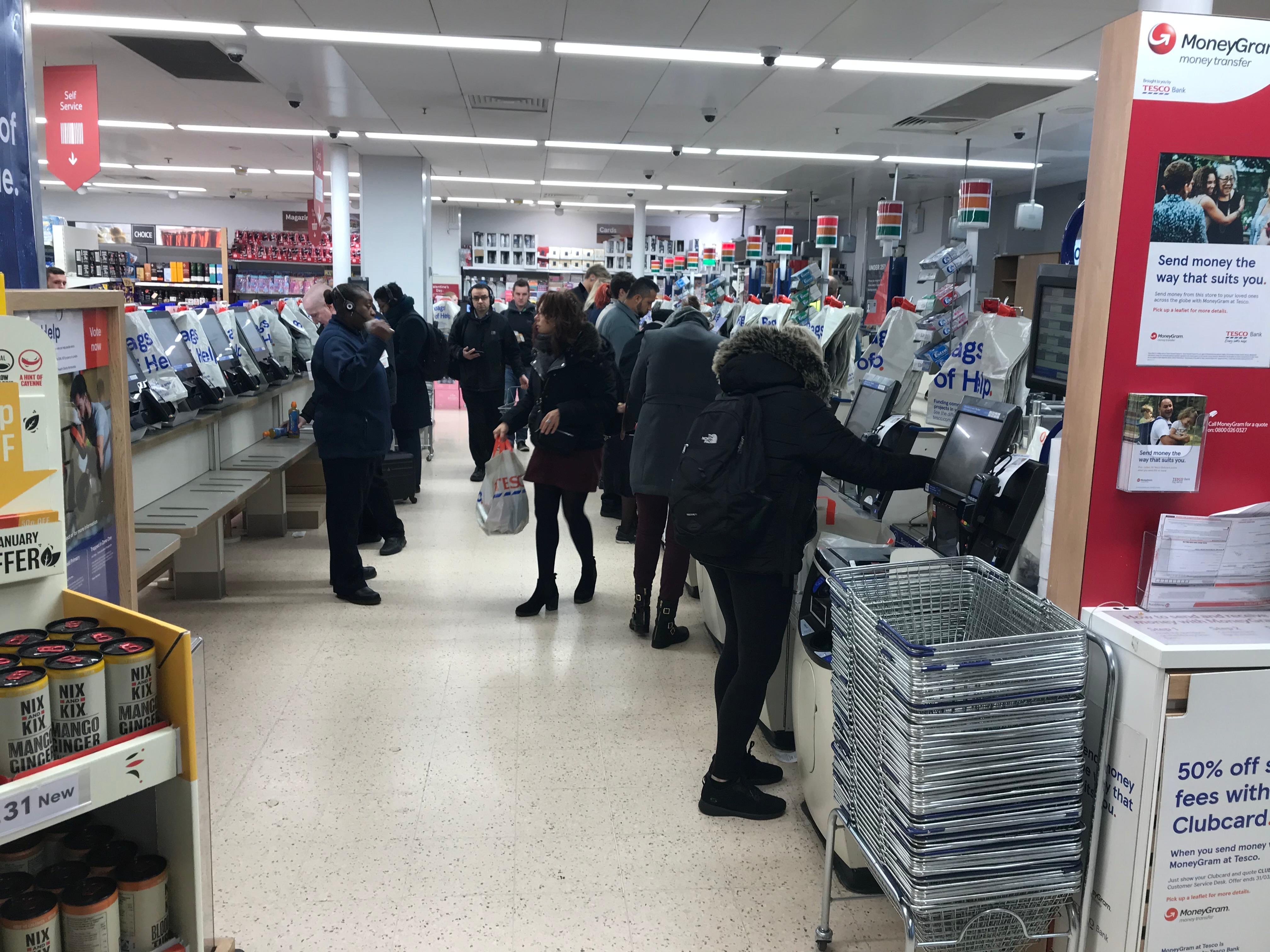
Since its initial introduction to the United Kingdom and Europe in the mid 2000’s, self-checkout has come to dominate convenience retailers, promising reduced labour costs and faster checkouts, delivering badly needed efficiency for shops as staffing costs increased.
However, it came at a cost; it was shrinkage, driven by theft and scanning errors at automated checkouts, with little loss prevention in place.
As retailers increasingly adopted self-checkout machines and turned away from cashiers, the proportion of shrinkage increased accordingly, especially when combined with a global rise in the cost of living - a phenomenon seen on both sides of the Atlantic.
A 2023 survey by Grabango found that shrinkage rates with traditional cashiers was 0.2%, versus 3.5% at self-checkout machines, something estimated to cost the retail industry hundreds of millions in lost revenue every year, with some European retailers reporting losses of €1,400 per self-checkout lane a month. When a system relies on the customer getting it right every time, it’s likely to go wrong.
It’s not just loss, it’s customer experience
Every time a customer gets self-checkout wrong, their experience as a customer goes down, and can affect their choice of retailer in the future, and the amount they’re willing to spend.
Being watched by staff required to look out for potential theft only worsens this, as the responsibility for managing transactions shifts from staff to customer, creating a worse in-store atmosphere and less positive interactions between customers and staff, damaging the relationship between the two.
Shrink and experience are two sides of the same problem, and retailers have struggled to find easy solutions to both.
Why current fixes don’t work
A variety of stopgap measures have been tried; adding more staff to supervise checkouts increases labour cost, and only worsens the perception of a hostile environment, whilst leaving fewer staff remaining active around the store, restocking, or helping other customers.
More controls, such as weight checks or prompts, only slow the checkout experience further, creating yet more friction. More friction only leads to a worse customer experience, whilst broadly failing to resolve the underlying issue of shrinkage.
This is leaving retailers stuck in a trade-off: reduce shrink or maintain speed and experience for their customers, both of which have downsides for both sides.
Fixing the root cause, not the symptoms
The real issue isn’t just theft, it’s how checkout is designed, with manual scanning creating opportunity for error and abuse.
The solution? Remove the need for scanning entirely. When you’ve got a faulty lightbulb, you replace it; you don’t hire someone to fix the same lightbulb. By removing the point of failure, you remove the problem.
How Deligo changes the model
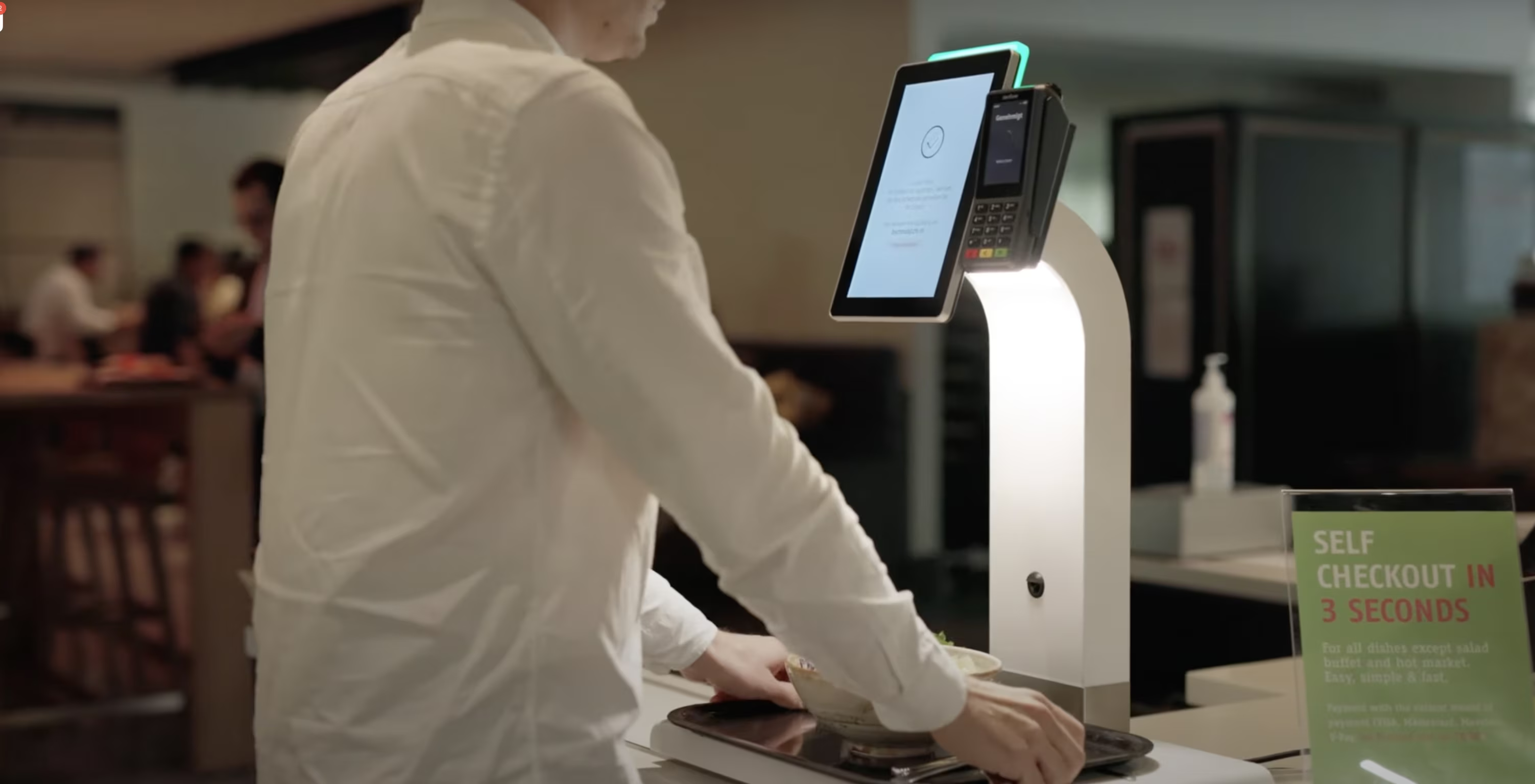
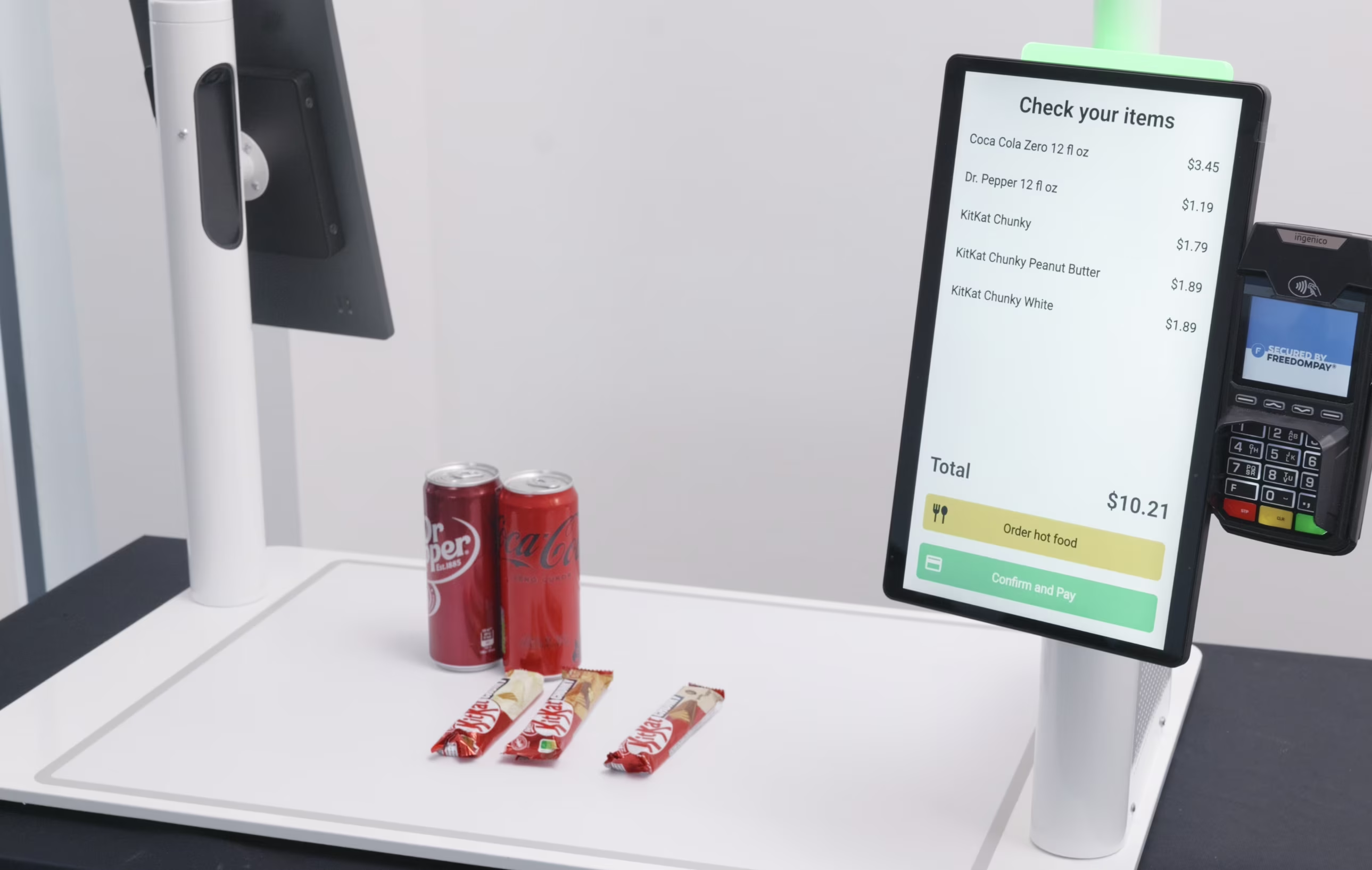
Deligo's visual AI recognizes items at checkout automatically, removing the need for manual scanning. This cuts down on mis-scans and input errors, and with a complete record of every in-store product, the system can identify and process purchases in seconds. This reduces both accidental and intentional theft by up to 90%.
By integrating Deligo self-checkouts into stores, retailers can maintain throughput with faster checkouts, improve customer experiences, and allow staff to better assist customers. By moving to a hands-off approach, Deligo can make good on self-checkout’s original promise, without the problems of the previous generation of self-checkout technology.
Unlike traditional self-checkout, Deligo's system is built with loss prevention at its core. Its visual AI continuously monitors the checkout space, verifying the contents of every basket in real time — so what's scanned always matches what's there.
If an item is removed from the basket, the system triggers an immediate alert: a combined audio and visual signal that flags the issue before the customer leaves. There's no ambiguity, and no reliance on staff catching it themselves.
Deligo also cross-references the estimated basket value against the actual scanned total. If the difference exceeds a set threshold — whether from an unscanned item or a substituted product — a shrinkage alert is automatically triggered for staff to review.
Together, these layers of protection give retailers a level of oversight that traditional self-checkout simply can't offer, without slowing down the customer experience.
No more trade-offs
Retailers no longer need to choose between reducing shrinkage and delivering a fast, seamless checkout experience. By removing a major cause of shrinkage, stores can maintain high throughput while creating a more comfortable, frictionless environment for customers.
Staff are no longer forced into a policing role, and can instead focus on supporting shoppers and running the store effectively. In a market where both efficiency and experience matter, the next generation of checkout doesn’t force a compromise; it delivers both.
